Source Argan Oil Hair Perm Gel for Salon, Spa, and Home Use
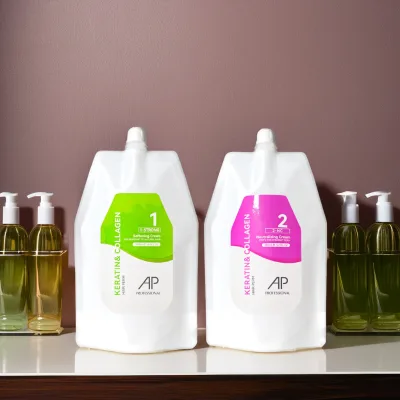
Source argan oil hair perm gel from 30 verified suppliers offering permanent straightening solutions. Compare professional salon, spa, and home use options featuring keratin and collagen ingredients for long-lasting results; compare the available evidence and request quotations based on your requirements.
Key considerations
Products List


Comprehensive Sourcing Guide
Argan Oil Hair Perm Gel Sourcing Guide
Procuring argan oil hair perm gel requires a strategic approach that balances cosmetic efficacy with rigorous supply chain management. Buyers must recognize that this product category often blends chemical restructuring agents with botanical conditioners, creating a complex formulation profile. The primary goal is to secure a consistent supply of products that deliver the promised straightening or styling results without compromising hair integrity. This guide outlines the critical verification steps necessary to mitigate risks associated with chemical variability and packaging inconsistencies.
Successful sourcing begins with understanding the specific functional claims made by potential suppliers. While many listings highlight natural ingredients like keratin or collagen, the core mechanism remains a chemical process. Buyers should prioritize suppliers who can clearly distinguish between the active perm agents and the conditioning additives. This distinction is vital for regulatory compliance and quality control. By focusing on the technical breakdown of the formula, procurement teams can avoid generic marketing language and engage in meaningful technical discussions that lead to reliable long-term partnerships.
Product Scope and Observed Listing Signals
The observed market data indicates a diverse range of product configurations, with volumes typically spanning from 100ml to 1000ml per unit. Listings frequently specify packaging formats such as PET hair perm bags or standard cartons, with quantities per carton varying significantly, often seen at 12, 24, or 60 sets. These variations suggest that suppliers cater to both professional salon environments and home-use markets. Buyers must carefully align their procurement volumes with these standard packaging units to optimize logistics and reduce per-unit shipping costs.
Functionality is a key differentiator in this category, with products labeled for permanent straightening, brightening, or general styling. The ingredient profiles often include keratin, collagen, and herbal extracts, alongside chemical bases like acid or peroxide. It is crucial to verify that the "argan oil" component is a substantive ingredient rather than a minor additive. Buyers should request detailed ingredient lists to confirm the concentration of botanical oils. This ensures that the product meets the specific performance expectations of the target consumer base, whether they are seeking damage resistance or enhanced shine.
Technical Specifications to Verify
Buyers must scrutinize the chemical composition to ensure the product aligns with their quality standards. Key specifications include the pH level, which determines the aggressiveness of the perm process, and the concentration of active ingredients. For products claiming to resist heat damage, verify the presence of specific protective agents. The form of the product, whether gel, liquid, or cream, also impacts application and storage. Requesting technical data sheets (TDS) is essential to validate these claims. Without this documentation, it is difficult to assess the stability and efficacy of the formulation over time.
Packaging specifications are equally critical for maintaining product integrity. Verify the material of the containers, such as PET bottles, and ensure they are suitable for the chemical contents. Check for leak-proof seals and appropriate labeling requirements. The standard packaging often includes cartons with specific quantities, such as 12 sets per carton. Buyers should confirm that the packaging meets export regulations and protects the product during transit. Additionally, verify the shelf life and storage conditions required to prevent degradation of the active ingredients, ensuring the product remains effective until it reaches the end consumer.
Compliance and Safety Documentation
Regulatory compliance is a non-negotiable aspect of sourcing hair care products. Buyers must request certificates of analysis (CoA) and safety data sheets (SDS) for every batch. These documents should detail the chemical composition, potential hazards, and handling instructions. While specific standards like GMPC are mentioned in some listings, buyers should verify the scope of these certifications and ensure they cover the specific product formulation. Do not assume that a general facility certification guarantees product safety. Each batch must be independently tested to confirm compliance with local and international regulations.
Labeling compliance is another critical area. Ensure that all labels include mandatory information such as ingredient lists, manufacturer details, batch numbers, and expiration dates. The language on the labels must be appropriate for the target market, with translations verified for accuracy. Buyers should also check for any restricted substances that may be prohibited in their region. Failure to adhere to labeling regulations can result in customs delays or product rejection. Establishing a clear compliance checklist before placing orders helps prevent these issues and ensures a smooth import process.
Cost Drivers and Commercial Terms
The cost of argan oil hair perm gel is influenced by several factors, including the concentration of active ingredients, packaging quality, and order volume. Higher concentrations of botanical oils like argan oil typically increase the raw material cost. Buyers should request detailed cost breakdowns to understand the impact of each component. Negotiating terms based on long-term volume commitments can often lead to better pricing. However, it is essential to balance cost savings with quality assurance, as lower prices may indicate compromised ingredient quality or reduced testing protocols.
Commercial terms such as payment methods, lead times, and minimum order quantities (MOQ) must be clearly defined. Observed MOQs range from 1 to 5000 units, providing flexibility for different procurement strategies. Sample lead times are often cited as 3-5 days, but production lead times can vary significantly. Buyers should agree on specific delivery windows and penalty clauses for delays. Clear communication of these terms helps manage expectations and reduces the risk of supply chain disruptions. Establishing a transparent pricing structure ensures that both parties have a clear understanding of the financial obligations.
Supplier Qualification and Quality Control
Qualifying a supplier involves assessing their manufacturing capabilities, quality control processes, and regulatory compliance. Requesting a factory audit or visiting the facility can provide insights into their production standards. Look for evidence of standardized operating procedures and regular internal quality checks. Suppliers who invest in quality control are more likely to deliver consistent products. Additionally, verify their experience in exporting to your specific market, as this indicates familiarity with local regulations and logistics requirements.
Implementing a robust quality control plan is essential for maintaining product consistency. This includes pre-shipment inspections and random sampling for laboratory testing. Buyers should define acceptance criteria for key parameters such as pH, viscosity, and ingredient concentration. Establishing a feedback loop with the supplier allows for continuous improvement and quick resolution of any quality issues. By partnering with suppliers who prioritize quality, buyers can reduce the risk of product recalls and maintain brand reputation. Regular audits and performance reviews ensure that the supplier continues to meet the established standards.
Long-Term Procurement Checks
Establishing a long-term partnership requires ongoing monitoring of supplier performance and market trends. Regularly review the supplier's financial stability and production capacity to ensure they can meet future demand. Monitor industry trends for new ingredients or regulatory changes that may impact the product. Staying informed allows buyers to adapt their sourcing strategies proactively. Building a relationship based on mutual trust and transparency fosters collaboration and innovation, leading to better products and more favorable terms.
Diversifying the supplier base can mitigate risks associated with relying on a single source. While primary suppliers provide consistency, secondary suppliers offer backup options in case of disruptions. Evaluate potential secondary suppliers using the same qualification criteria as the primary supplier. This approach ensures that the supply chain remains resilient and flexible. By maintaining a balanced portfolio of suppliers, buyers can secure a stable supply of argan oil hair perm gel while optimizing costs and quality. Regular strategic reviews help align procurement activities with broader business goals.
FAQs
What ingredients are in the AP Straight hair Perm sets?
The product contains keratin, natural components, and collagen as primary ingredients. These elements support hair health while providing permanent straightening effects for all hair types without causing excessive damage.
Can this perm gel be used for home applications?
Yes, the product is designed for professional salon use, SPA settings, and home application. It accommodates all hair types and genders, making it versatile for various user environments and styling needs.
Which packaging format is standard for the 1000ml bottles?
Standard packaging includes 12 sets per carton with 1000ml volume per set. The product also offers 120ml sets packed at 60 per carton, ensuring flexible shipping options for different order quantities.
How long is the sample lead time for this perm gel?
The sample lead time is typically 3 to 5 days for processing. This quick turnaround allows buyers to evaluate product quality and specifications before committing to larger bulk orders for their business needs.
What is the minimum order quantity for the 500ml sets?
The observed minimum order quantity ranges from 1 to 5000 units depending on the specific product configuration. Buyers can select from various pack sizes including 500ml and 1000ml options to suit their inventory requirements.
Does the manufacturer offer OEM and ODM customization services?
Yes, OEM and ODM services are welcomed for this product line. Customization is available for packaging and branding, allowing businesses to tailor the product to their specific market demands and brand identity.
Where is the production origin for these hair perm products?
The products originate from Guangdong and Guangzhou in Mainland China. This location ensures access to established manufacturing capabilities while maintaining quality standards for professional and home use hair care solutions.